

Transforming Rwandan Agriculture in Numbers
Every project spearheaded by Ingabo Farmers Association is built on measurable farmer prosperity, sustainable soil regeneration, and resilient rural value chains.
Transformative Outcomes by Project
SCORE RWANDA PROJECT: Strengthening Smallholder Farmers’ Resilience to Crises for Improved Food Security and Livelihoods in Rwanda (SCORE Rwanda)
9. Measurable Field Impact & Achievements The implementation of SCORE Rwanda has generated measurable results across the targeted districts, including: Indicator Achievement Target districts 10 Districts Farmer members reached through INGABO 16,051 Women among farmer members 54.1% Demonstration plots established 172 Farmers trained in GAP and related practices Approximately 17,000 Key climate-smart technology promoted Zai Pit Main value chain Cassava Key Field-Level Results 1. Increased farmer knowledge and skills Approximately 17,000 farmers have benefited from training on Good Agricultural Practices and improved agricultural technologies, strengthening their capacity to improve cassava production and farm management. 2. Increased adoption of climate-smart practices The project has promoted Zai Pit and other soil and water conservation practices, helping farmers improve moisture retention, soil management and resilience to climate variability. 3. Strengthened access to quality planting materials SCORE Rwanda has supported cassava planting material multiplication and strengthened linkages between multipliers and seed buyers, contributing to a more functional cassava seed system. 4. Practical learning through demonstration plots The establishment of 172 demonstration plots has provided farmers with practical opportunities to observe, compare and adopt improved cassava production technologies and Good Agricultural Practices. 5. Stronger farmer organizations The project has contributed to strengthening the technical, organizational, governance and management capacities of INGABO Farmers’ Association and its member cooperatives, enabling them to provide better services to their members. 6. Increased inclusion of women and youth Women represent 54.1% of INGABO’s 16,051 farmer members, demonstrating significant participation of women in the project\\\\\\\'s farmer organization network. The project also promotes opportunities for youth participation in cassava production, agribusiness and value-chain development. 7. Strengthened cassava value-chain linkages By connecting farmers and cooperatives with planting-material multipliers, buyers, service providers and other value-chain actors, the project is contributing to improved commercialization and income opportunities for smallholder farmers. 10. Overall Expected Impact SCORE Rwanda contributes to the transformation of Rwanda\\\\\\\'s cassava sector by moving smallholder farmers toward higher productivity, greater climate resilience, improved food security and more sustainable livelihoods. Through the combined use of improved technologies, quality planting materials, farmer training, climate-smart agriculture, demonstration-based learning, stronger farmer organizations and market linkages, the project provides a practical and inclusive approach to strengthening rural agricultural systems. Ultimately, SCORE Rwanda seeks to ensure that smallholder farmers are better equipped to produce more, withstand climate and economic shocks, access profitable markets and generate sustainable household incomes, while contributing to Rwanda\\\\\\\'s broader agricultural transformation and food-system resilience.
GWIZA MUHINZI PROJECT: Enhancing Cassava Production and Diversified Utilization for Food and Incomes in Rwanda (Gwiza Muhinzi)
2. Measurable Field Impact The project targets approximately 20,000 smallholder farmers across 10 Districts, with particular emphasis on women and young farmers. Its measurable field impact includes: • Increased farmer access to quality cassava planting materials. • Increased adoption of Good Agricultural Practices and improved production technologies. • Improved cassava productivity and production efficiency through practical farmer training and demonstration plots. • Increased farmer knowledge and skills in cassava production, post-harvest management, and value addition. • Reduced post-harvest losses through improved handling, drying, and storage practices. • Increased opportunities for cassava-based products and diversified income generation. • Stronger linkages between farmers, cooperatives, seed multipliers, processors, buyers, research institutions, and government stakeholders. • Greater participation of women and youth in cassava production, processing, entrepreneurship, and markets. • Strengthened coordination of the cassava subsector through the Rwanda Cassava Platform and district-level platforms. 3. Key Achievements Based on the information provided, the project achievements can be framed around three major areas: Productivity and Farmer Capacity • Reached and supported farmers across 10 Districts, contributing to improved cassava production practices. • Established and used demonstration plots and practical training approaches to promote improved cassava technologies. • Strengthened farmer knowledge of quality planting materials and GAP. • Promoted innovative practices such as Zai Pit technology to improve cassava productivity and resilience. Value Addition and Income • Introduced and promoted HQCF and HQCP as opportunities for diversified cassava utilization. • Strengthened awareness and capacity around post-harvest handling, storage, processing, and value addition. • Created opportunities for farmers, women, youth, processors, and other value-chain actors to participate in higher-value cassava markets. Value-Chain Coordination and Market Development • Strengthened collaboration among farmers, cooperatives, processors, private-sector actors, researchers, government institutions, and other stakeholders. • Supported the functioning of the Rwanda Cassava Platform and District-level platforms. • Improved stakeholder dialogue and collective identification of challenges and solutions within the cassava value chain. • Strengthened linkages between quality seed producers, farmer organizations, processors, and markets. Suggested impact statement Gwiza Muhinzi is transforming Rwanda’s cassava value chain by equipping smallholder farmers with quality planting materials, improved production technologies, post-harvest skills, and market opportunities. Through its interventions across 10 Districts, the project is contributing to higher productivity, reduced losses, diversified cassava products, stronger farmer incomes, and greater participation of women and youth in the cassava economy.
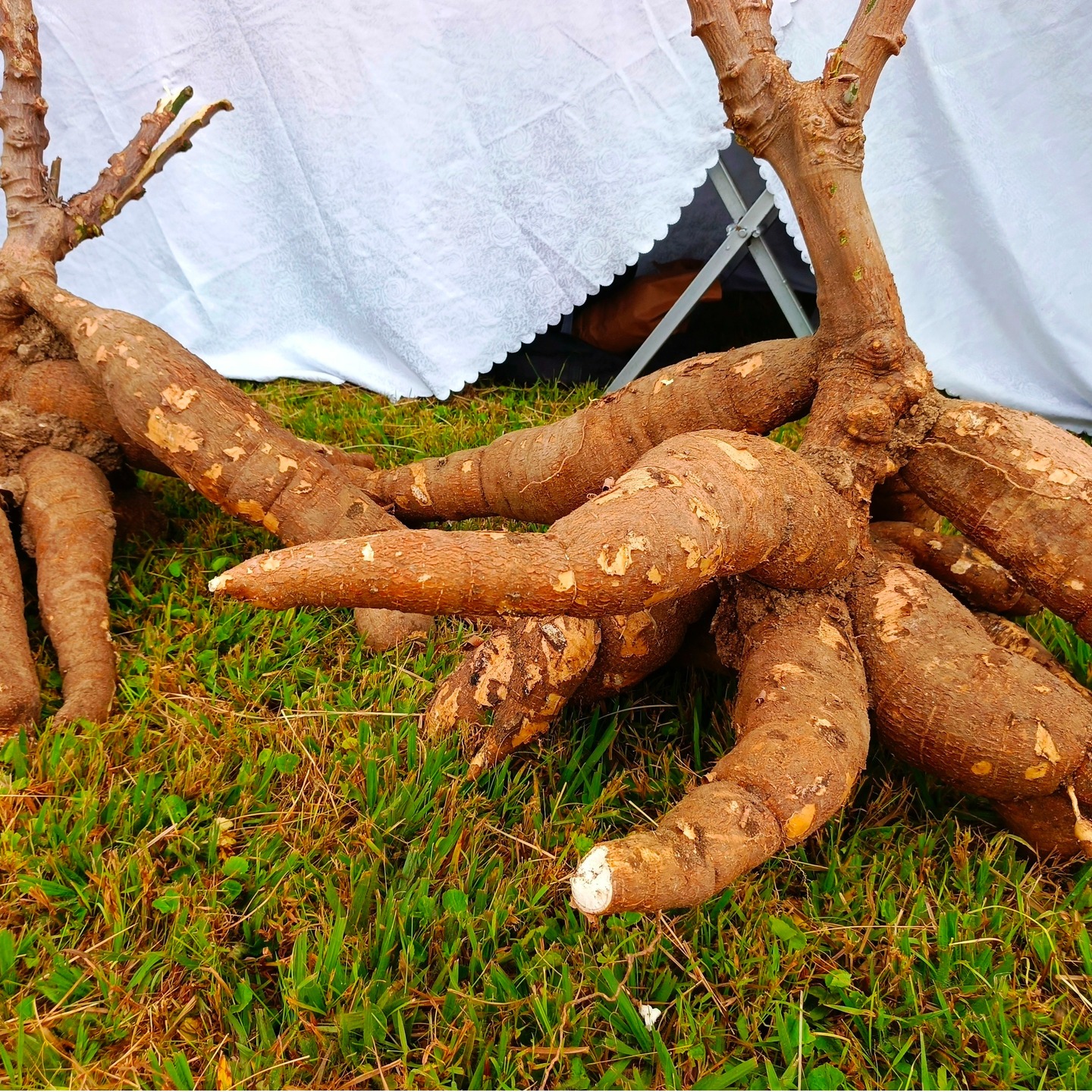
VIRCA Project — Virus Resistant Cassava for Africa
Measurable Field Impact & Achievements The project has generated several important achievements across research, technology development and seed-system strengthening: • Disease-resistant cassava technologies: VIRCA has developed and evaluated cassava materials designed to provide resistance to major viral diseases, particularly CBSD and CMD. • KingaKUU cassava: The programme has reported the development of KingaKUU, a disease-resistant cassava technology targeting CBSD and CMD. • Regional field evaluation: Improved cassava materials have undergone extensive field evaluation in Kenya, Uganda and Rwanda. • Improved nutritional traits: The programme has worked on cassava varieties combining disease resistance with increased iron and zinc levels in storage roots. • Rwanda field testing: Improved cassava varieties have been evaluated under Rwandan field conditions to assess their performance and suitability. • Capacity strengthening: Rwandan scientists and technical teams have benefited from capacity-building activities related to cassava improvement and biotechnology. • Seed-system development: The project has supported the development of sustainable cassava seed multiplication and distribution systems. • Cassava Seed Entrepreneurs: CSEs have been trained to multiply, quality-assure and market improved cassava planting materials. • Regulatory advancement: The programme has supported biosafety, regulatory approval and variety registration processes necessary for responsible deployment of improved cassava technologies. Expected Long-Term Impact VIRCA is designed to contribute to a stronger and more resilient cassava sector by enabling farmers to: Access healthier planting materials → reduce losses from viral diseases → protect and increase cassava productivity → strengthen food and nutrition security → improve household incomes and resilience. At the broader institutional level, the programme contributes to strengthening Africa’s capacity in agricultural biotechnology, crop breeding, biosafety, regulation, seed systems and agricultural research. Overall Significance VIRCA represents a farmer-oriented approach to cassava improvement that connects scientific research, biotechnology, disease resistance, seed-system development, regulatory processes and farmer engagement. In Rwanda, the initiative has contributed to efforts to protect cassava production from major viral diseases while strengthening national technical capacity and improving the availability of quality planting materials. Its broader significance lies in helping build a more productive, resilient and sustainable cassava sector capable of supporting food security, nutrition and improved farmer livelihoods.
Farmers’ Organizations for Africa, Caribbean and Pacific (FO4ACP)
Measurable Field Impact & Achievements By the end of the programme, FO4ACP had expanded its reach across 38 African countries, 14 Pacific countries and 9 Caribbean countries, strengthening farmers’ organizations and their capacity to support smallholder and family farmers. The programme contributed to increased market engagement and commercialization. Products marketed through supported initiatives were reported at approximately: FO4ACP also supported the development of business plans that helped unlock additional investment, while digital tools, knowledge management and peer-to-peer learning strengthened the ability of farmers’ organizations to share, adapt and scale successful practices. Overall Impact and Legacy FO4ACP contributed to positioning farmers’ organizations as key actors in inclusive rural development, agricultural value-chain development, market participation, policy dialogue and farmer-led economic development. Beyond direct programme interventions, FO4ACP generated approaches, knowledge and institutional capacities that continue to support stronger and more sustainable farmers’ organizations. Its experience also contributed to the development of the FO4IMPACT programme (2025–2030), which builds on the achievements and lessons of previous FO4 programmes while placing stronger emphasis on institutional strengthening, market access, policy engagement, advocacy and transformation. One-Sentence Project Summary FO4ACP invested in stronger farmers’ organizations so they could deliver better services, connect smallholder farmers to markets and finance, represent farmers more effectively, and contribute to higher incomes, improved livelihoods and more resilient family farming across ACP countries.
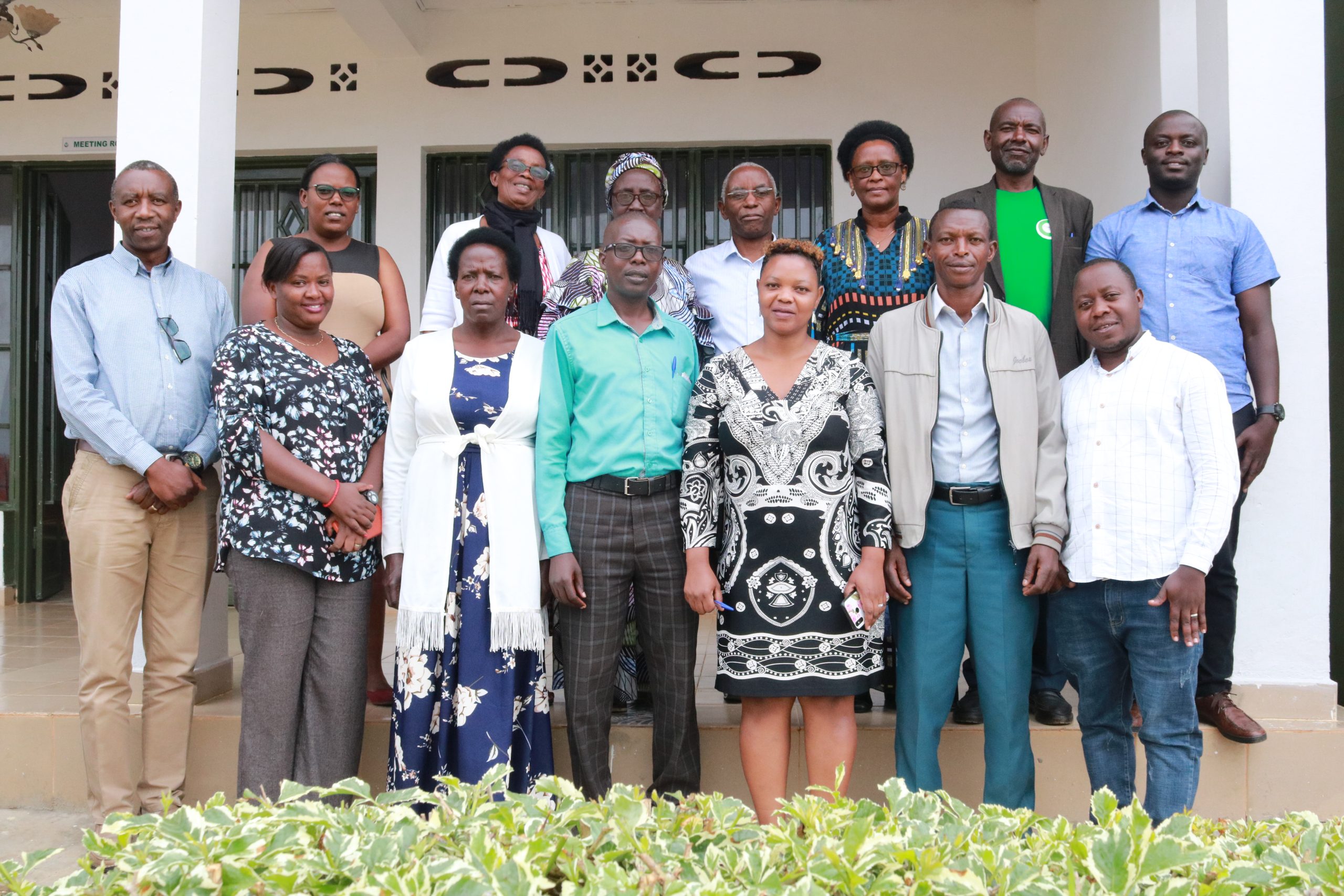
E-Cassava: Digital Seed Certification & Disease Surveillance
Disease incidence for Cassava Brown Streak Disease dropped by over 80% across certified farms, restoring farmer confidence in cassava as a premier cash crop.
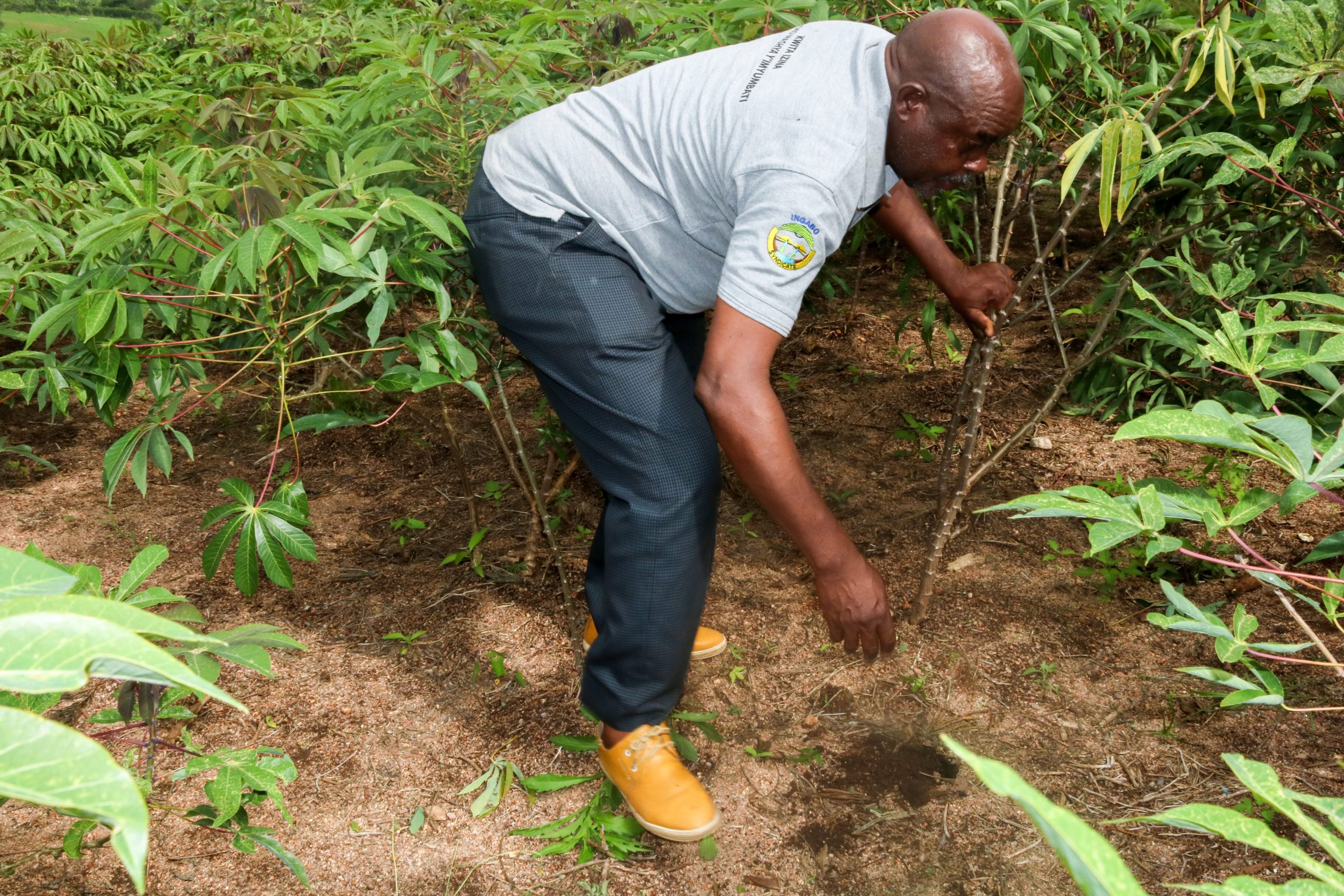
Women & Youth Agri-Preneurship Green Accelerator
Projected to create 2,000 new rural green jobs and divert 4,000 MT of fresh cassava annually into high-value gluten-free baked goods and fortified products.